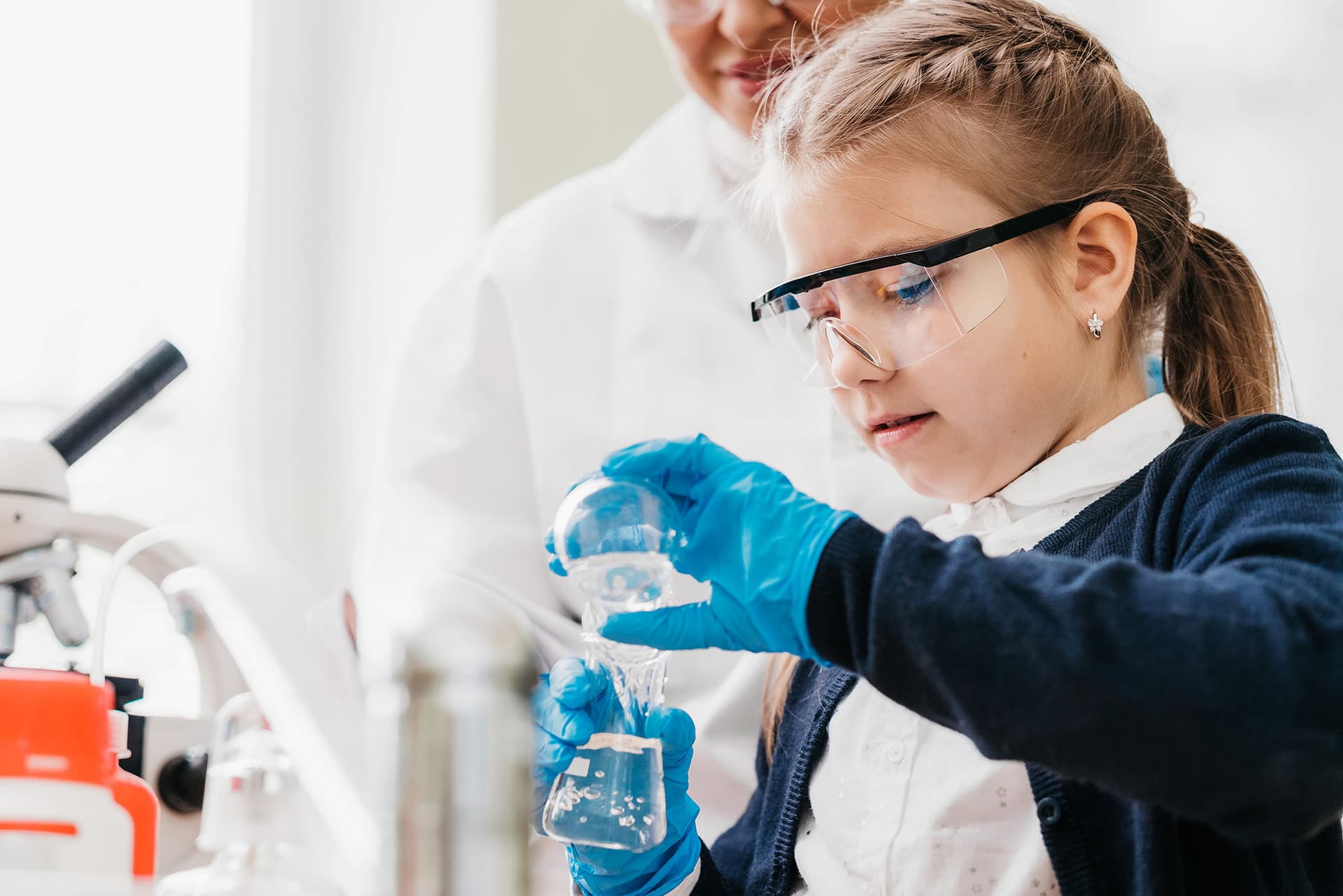
STEM subjects play a decisive role in the society of the future, but many students experience science and technology as difficult, theoretical and far from their own world. LIFE needed a digital platform that could make teaching more engaging for pupils and give teachers better support before and during lessons.
450,000 students completed LIFE courses in 2023
Year 1 to the 3rd year of upper secondary school (3.g) supported on the same platform
Multimodal teaching with video, audio, quizzes, images, simulations and interactive elements
Differentiated courses can be adapted to the prerequisites of different student groups
A flexible headless architecture makes it possible to develop and adapt new teaching courses
The app and platform support teaching, documentation and student production

The challenge
How do you create a digital teaching platform that engages students, supports teachers and can be adapted to different age groups and teaching methods? LIFE wanted to make STEM teaching more engaging and accessible for children and young people, regardless of their prerequisites and background. This required a platform that could accommodate very different teaching methods while being flexible enough to support students from Year 1 to the 3rd year of upper secondary school.
The solution
We developed a modern headless teaching platform with a flexible, modular structure. The platform makes it possible to combine different content types and interactive components, and to adapt both the structure and the visual expression to each target group. The solution is also built to work with apps, analogue materials, VR, film and digital simulations, and so supports a wide range of teaching methods.
LIFE x iO: Technology that adapts to teaching
LIFE is a Danish commercial foundation with a charitable purpose. Among other things, the foundation's mission is to strengthen children's and young people's interest and ambitions in science and technology, regardless of their background. We worked closely with LIFE to create a platform where technology does not decide the form of the teaching. Instead, the content and the specific teaching situation should define how the platform is used.
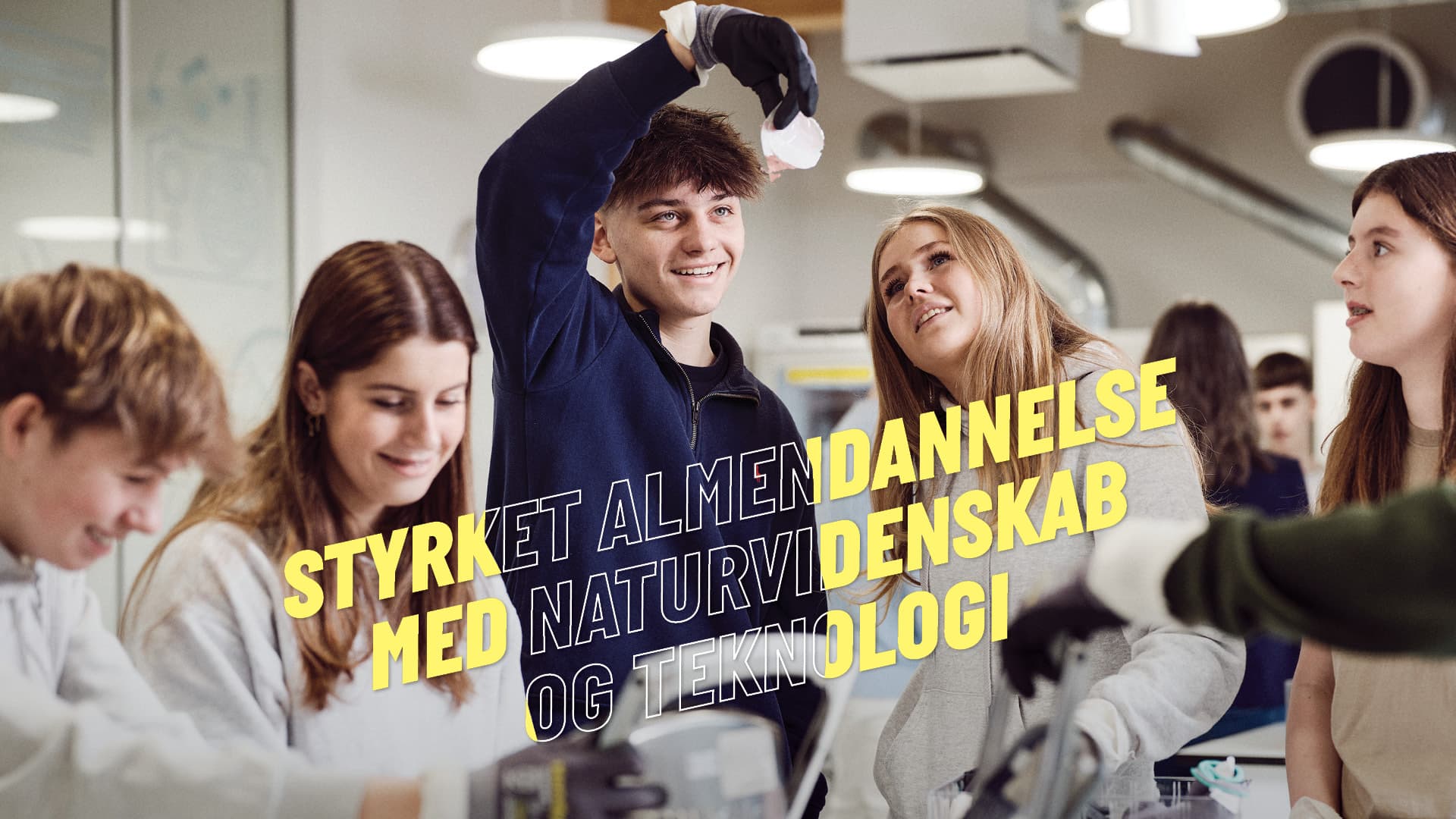
This required a flexible technical solution, but also a thorough understanding of different student groups' needs and the working methods that characterise science teaching. The result is a platform that can accommodate in-depth subject work, experiments, interaction and creative student production.
How do you make STEM teaching more relevant for different students?
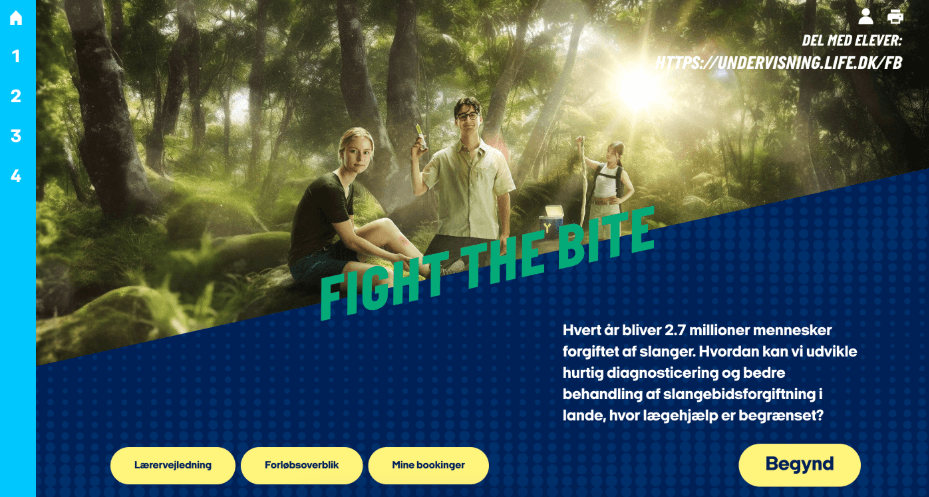
STEM subjects can feel abstract and theoretical, and students come to lessons with very different prerequisites. LIFE therefore wanted a platform that could make the subject content more accessible and engaging without oversimplifying it. The flexible structure makes it possible to adapt courses to different age groups and student groups. Colour palettes, modules, components and content can be combined differently from course to course. This means the platform can support both younger students in primary and lower secondary school and older students in upper secondary school, while each course can have its own expression.
How do you create multimodal teaching on one platform?
Good STEM teaching doesn't happen through text alone. The platform is therefore built to combine many different formats and ways of working. LIFE's staff can integrate video, audio, image galleries, quizzes, tables and diagrams, interactive components, digital simulations and writing fields for student production. This makes it possible to present the same subject matter in several different ways and to create more varied courses. The platform can also work with apps, analogue workbooks, VR and other learning resources.
How do you support differentiated teaching digitally?
Students learn differently, and this places demands on teaching materials. The platform therefore supports different forms of differentiation. Students can, among other things, get access to word explanations and hints, while the content can be presented multimodally. Students can also work actively with the content through writing fields, tables and quizzes, where they can interact with the material and receive feedback. In this way, the platform is not just a place where students read or watch content. It becomes an active working tool in the teaching.
How do you bring digital learning closer to real teaching?
LIFE's platform is developed to work in the everyday life of the school. Students and teachers can log in with familiar methods, and data is stored securely. The platform can be used both in regular lessons and in connection with visits to LIFE's mobile and physical labs around the country. We also developed Capture LIFE, an app for LIFE's Extractors courses. Here, students can create videos by combining images with voiceovers. The app is used throughout the course to document both the theoretical work with experiments and the practical work in the school's laboratories.
The numbers
1students
completed LIFE courses in 2023
1headless platform
that can be adapted to different teaching courses
A flexible platform where teaching comes first
With LIFE's new teaching platform, a digital foundation has been created that makes it possible to develop engaging STEM courses for students across ages, levels and prerequisites. The platform adapts to the individual course instead of limiting it. This makes it possible to combine subject reading, experiments, modelling, interaction and student production in the same digital universe. Since 2023, 450,000 students have completed a LIFE course. The platform is therefore already part of teaching for children and young people across the country. With the headless architecture, LIFE is also well positioned to develop the platform further and to add new technologies, formats and ways of learning as needs change.