The Flemish Government had an ambitious goal: make the rich cultural heritage scattered across Flanders accessible to everyone, everywhere. But traditional museums feared that putting collections online would reduce physical visits. Together, we built FAAM - Flanders' first virtual museum experience - proving that digital does the opposite: it sparks curiosity and drives people to discover heritage in real life. The platform won Website of the Year at the 2024 Splash Awards.
Flanders' first virtual museum across web, iOS and Android
Drupal-powered CMS enabling autonomous content management
Augmented reality bringing heritage to life on location
Digital platform that increases physical museum visits
Award-winning: Splash Awards 2024 Website of the Year

The challenge
How do you showcase the cultural wealth of an entire region when museums are reluctant to share their collections? And how do you create a virtual museum experience that complements rather than competes with physical visits?
The solution
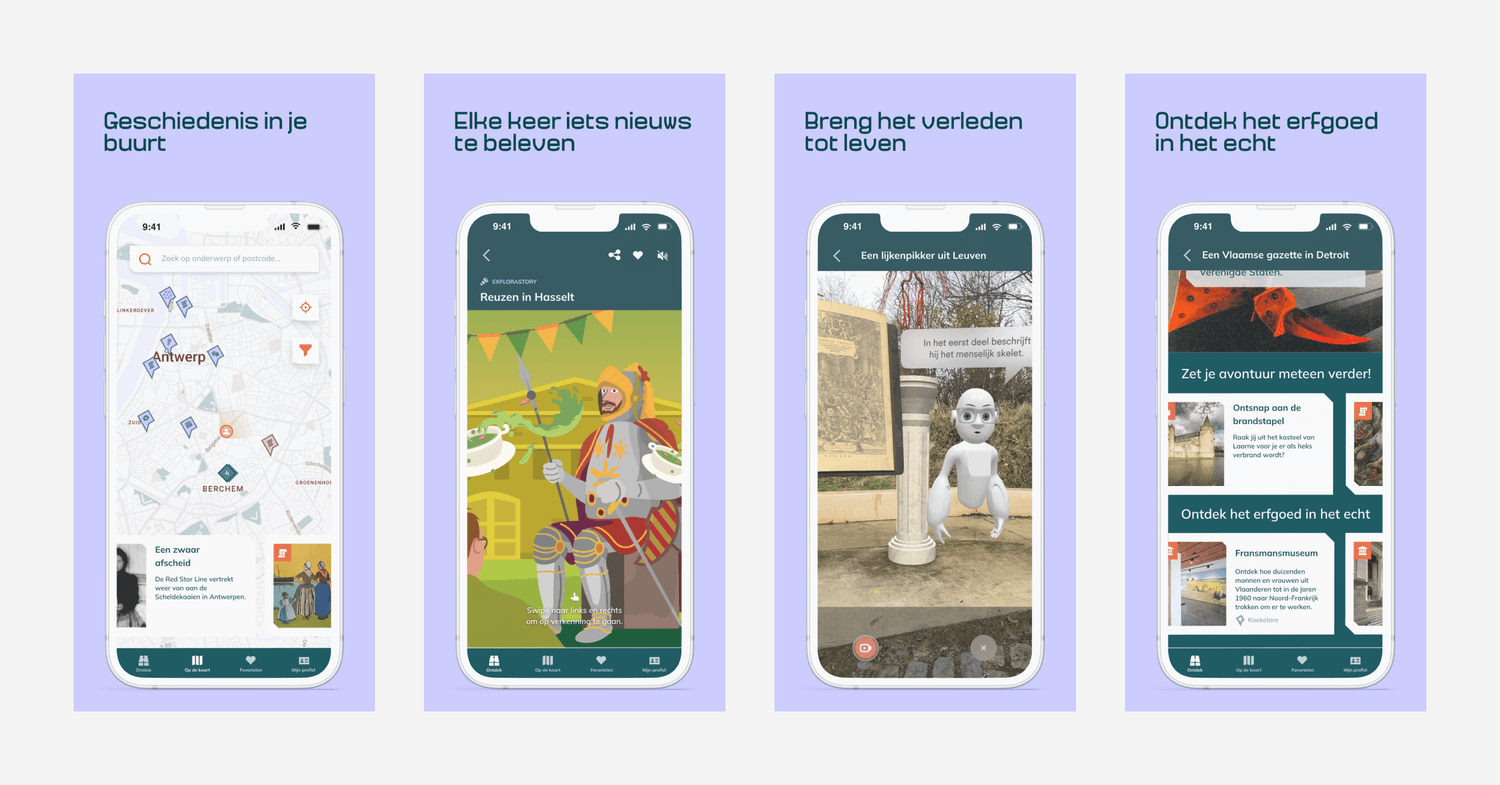
We developed FAAM as a complete digital ecosystem: a Drupal-based editor application for content teams, combined with React-powered public applications across web, iOS and Android. The platform acts as a teaser that makes people want to experience Flemish heritage in person.
Building Flanders' digital cultural infrastructure
FAAM is an initiative of the Flemish Government, designed to bring the region's cultural heritage closer to its citizens. It complements the successful Canon of Flanders - for which iO previously developed the website.
As trusted technology partner, we translated the government's vision into a robust digital platform. While another partner handled content creation, iO took full ownership of the technology architecture: from CMS to mobile applications, from middleware to API development. Our collaboration focuses on building digital infrastructure that serves both heritage institutions and the public - with quality taking precedence over speed.
From super museum to virtual museum experience
The original ambition was bold: create a Museum of Flanders that would bring together showpieces from across the region. When it became clear that institutions were reluctant to part with their treasures, a smarter solution emerged. Why move physical objects when you can connect people to them digitally?
FAAM was born as Flanders' first virtual museum - not a replacement for real museums, but a gateway to them. The platform organises heritage around themes like 'Living', 'Working' and 'Eating and drinking', making collections discoverable in entirely new ways.
A virtual museum experience built for autonomy
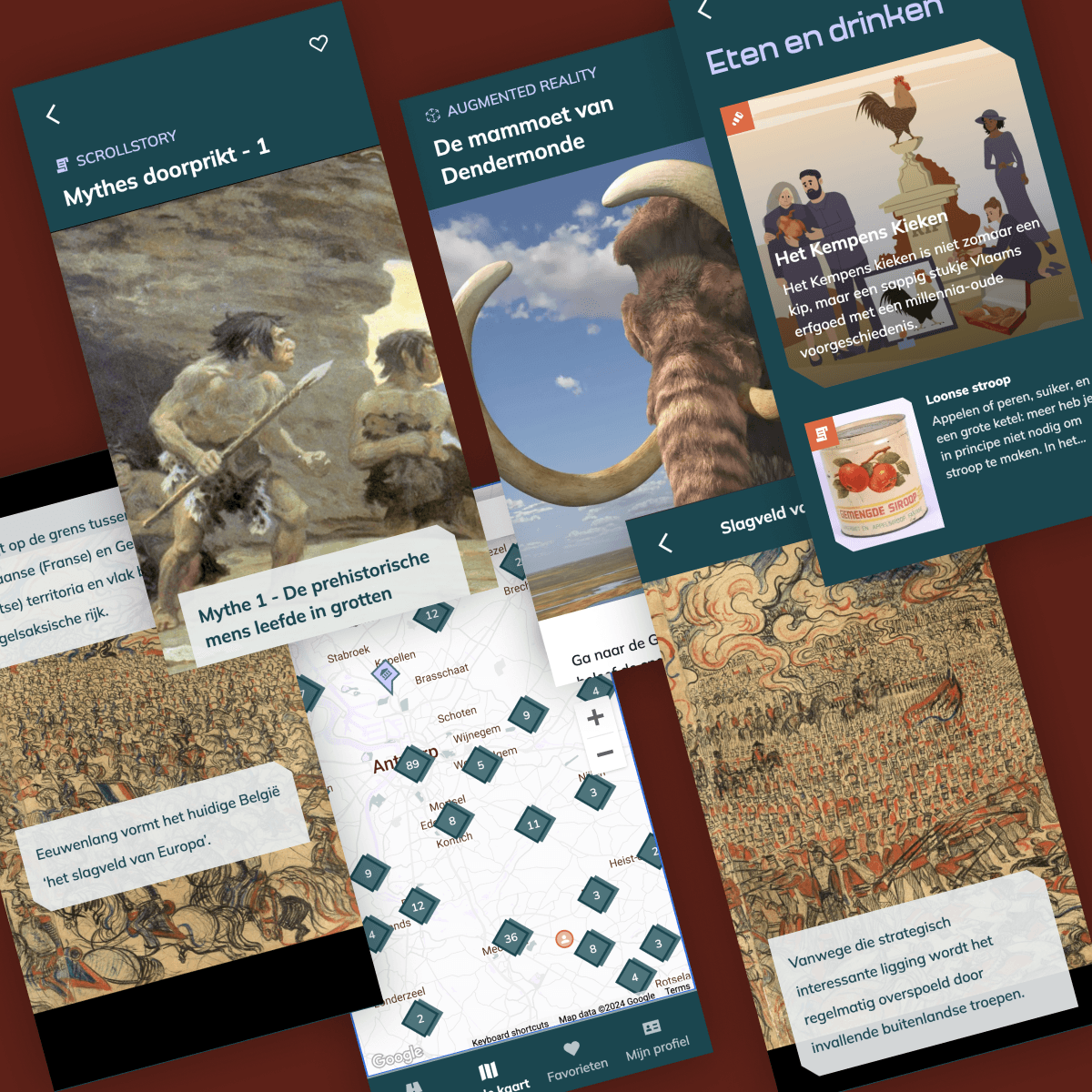
For FAAM to succeed long-term, the content team needed full control. We built a Drupal-based editor application that empowers editors to create any type of experience independently: text, video, images, games, scroll stories or augmented reality elements.
This autonomous approach is both practical and economical. New content flows into the platform without developer intervention, keeping the virtual museum experience fresh and relevant. The CMS architecture ensures that adding a medieval manuscript or a mammoth skeleton follows the same intuitive workflow.
React-powered applications across every screen
The public-facing side of FAAM needed to meet users wherever they are. We developed three React applications - for iOS, Android and web - ensuring a consistent experience across devices.
The middleware layer handles the complexity behind the scenes: user management, personal data and API connections. This architecture keeps the front-end lightweight and responsive while maintaining the flexibility to evolve.
Augmented reality brings heritage to life on location
The real magic happens when digital and physical worlds meet. FAAM's interactive app uses augmented reality to bring heritage to life on location. At the launch event in Dendermonde, visitors could summon the mammoth from the Vleeshuis Museum collection directly onto their smartphone screens.
This feature demonstrates the platform's broader mission: FAAM doesn't just showcase major museum collections, it puts lesser-known heritage in the spotlight too.
Quality over quantity
Our approach prioritised craftsmanship. Rather than rushing to deliver more features, we built each element to the highest standard. Five perfectly executed applications deliver more value than seven with shortcomings.
This philosophy shaped every decision: from the CMS architecture that will serve editors for years, to the React components that ensure smooth performance on any device.
We were commissioned to build a digital platform to show Flemish people the unsuspected wealth of cultural heritage in their area. Initially, museums and heritage institutions were not entirely in favour of this set-up. They feared that displaying their content online would plummet their visitor numbers. But the opposite turned out to be true: FAAM makes people want to admire all that heritage in Flanders in real life. So FAAM acts as a teaser and succeeds wonderfully.
The numbers
1
Splash Awards - Website of the Year
1
Public applications: web, iOS and Android
1
Drupal-powered CMS for autonomous content management
+1
Content types: text, video, images, games, scroll stories, AR
A digital gateway to Flemish heritage
FAAM proves that virtual and physical cultural experiences strengthen each other. The platform has transformed initial scepticism from heritage institutions into enthusiasm - they now see how a compelling virtual museum experience drives real-world curiosity and visits.
For smaller institutions like Dendermonde's city museums, FAAM provides reach they could never achieve alone. For the Flemish Government, it delivers on the promise of making cultural heritage accessible to everyone. And for citizens, it offers a new way to discover and connect with their surroundings.
The story continues. Future development will likely introduce gamification elements - a cultural geocaching experience where visitors earn badges for exploring heritage sites. Anyone completing all knight-related experiences across Flanders, for example, could earn a knight badge.